
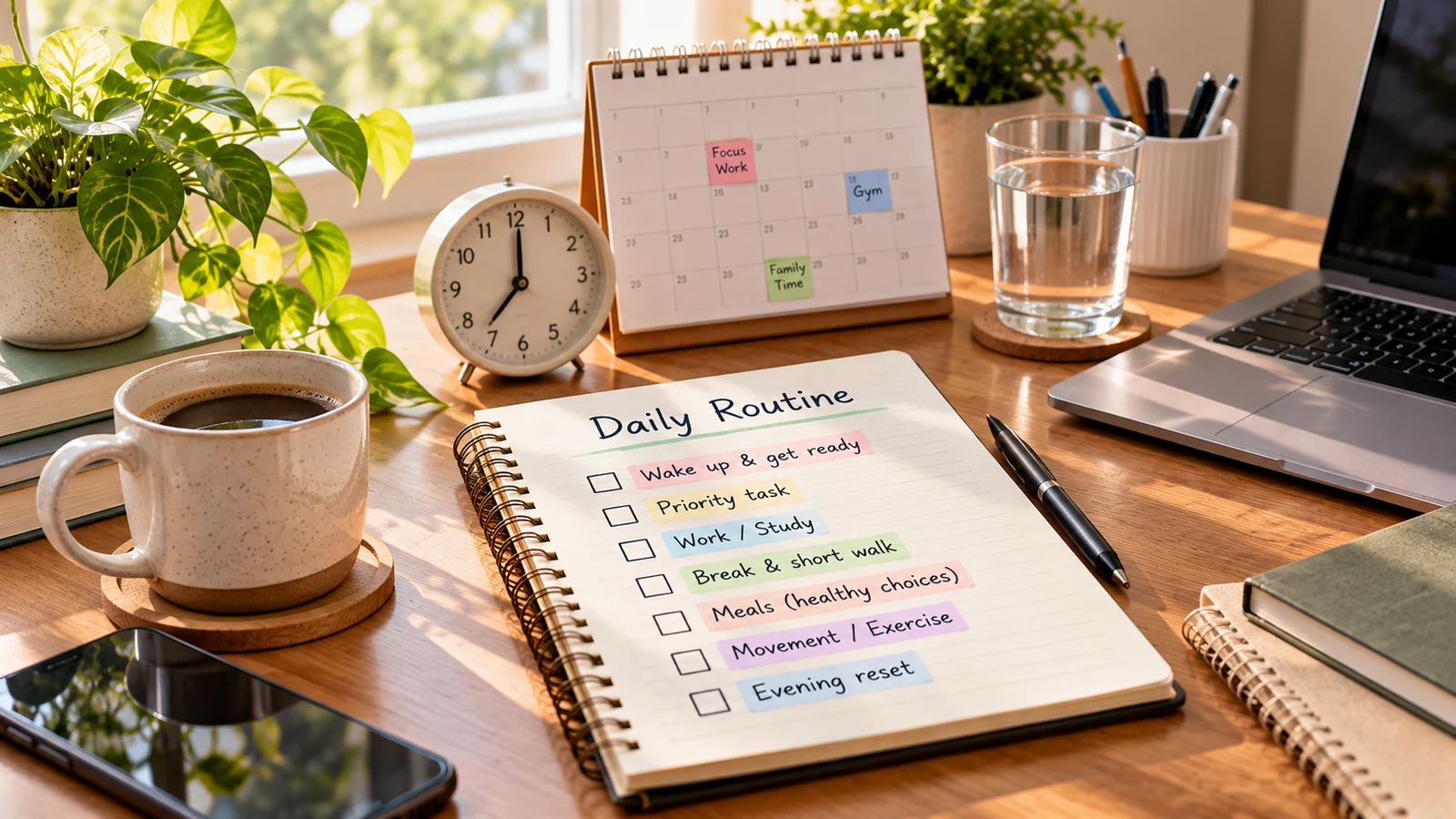
A checklist is most useful when it helps you remember the right things at the right time. A long list can look thorough and still be difficult to use if every task has the same priority or if the steps are written too broadly.
The best checklist for a real situation is usually more specific than “things to do” and shorter than an instruction manual. It should make the next action obvious without making the person using it feel like they have another project to manage.

1. Start with the outcome
Before writing individual boxes, decide what the checklist is supposed to help someone finish. “Prepare for a trip” is a broad outcome. “Be ready to leave for an international trip” is easier to turn into useful steps because it suggests documents, bookings, money, health, packing and final checks.
This also prevents the list from filling up with tasks that sound related but do not actually help reach the outcome.
2. Put the steps in the order people actually need them
Not every task should be arranged alphabetically or by category. Timing matters. You may need to confirm an entry requirement before buying something, gather information before completing a form, or finish a booking before preparing the final details.
When one task depends on another, place the earlier task first. A checklist should reduce the amount of thinking required while someone is working through it.
3. Make each item something a person can actually do
“Get ready for the move” is not a useful checkbox. “Confirm the moving date with the moving company” is. The second version tells the person what action is expected and makes it easier to know when the task is complete.
Try to avoid vague verbs such as “handle,” “deal with,” or “sort out” when a more specific action is possible.
4. Separate preparation from the final check
Many situations have two different kinds of work: the preparation that happens days or weeks ahead, and the small checks that happen just before the event.
For a trip, passport and entry requirements may belong near the beginning of the checklist, while checking the departure time and putting documents somewhere accessible may belong near the end. Keeping those stages separate makes the list easier to return to.
5. Include the things people commonly overlook
The value of a checklist often comes from the details that are easy to forget. Think about what could cause a delay, create extra work or force someone to stop halfway through the task.
For example, a travel checklist may need to mention document validity, medication restrictions, offline copies and payment backups. A moving checklist may need to include utilities, important documents and a first-night bag. These details are often more useful than adding another ten obvious items.
6. Do not make every task equally important
Some tasks can prevent the whole plan from working. Others are useful but can wait. If everything looks equally urgent, people have to work out the priority themselves.
Use sections, stages or short labels when timing matters. The goal is not to add complicated project-management features; it is simply to make the order and importance easier to understand.
7. Leave room for real life
A checklist should help when plans change, not only when everything goes perfectly. Avoid turning every possible variation into its own checkbox. Keep the main list focused and add a note or optional section when a situation genuinely requires another path.
This is especially important for recurring checklists. A daily routine with thirty fixed tasks may look comprehensive but can become difficult to maintain. A smaller list that survives a busy day is usually more useful.
8. Test the checklist as if you have never seen it before
Read each item without relying on what you already know. Would another person understand what to do? Could they tell when it is finished? Is anything missing between two steps?
Actually working through the list is even better. You may discover that two tasks belong together, one item is too vague, or an important preparation step appears much later than it should.
9. Keep the finished checklist easy to revisit
People rarely complete a complicated task in one uninterrupted session. A useful checklist should make it easy to see what is finished and where to continue.
That is why simple progress information, clear sections and specific task wording matter. The person should be able to return later without having to reconstruct what they were doing.
A simple checklist test
- Purpose: Is it clear what the checklist helps someone finish?
- Order: Are tasks arranged according to when they are needed?
- Action: Can each item be completed and checked off?
- Coverage: Does it include the easy-to-forget details?
- Clarity: Would someone else understand the wording?
- Flexibility: Can the list still work when the day does not go exactly to plan?
Use the idea on a real task
If you want to see these principles applied to an actual situation, try the Daily Routine Checklist, International Travel Checklist or Moving House Checklist. Each one is organized around a specific job rather than a generic list of reminders.
The important thing is not to make the longest possible checklist. It is to make the next useful action easy to see.