Finance
Start with the purpose
Use this when you want a clear plan for managing debt rather than keeping balances in your head. It helps organize the information needed to choose a repayment approach and track progress.
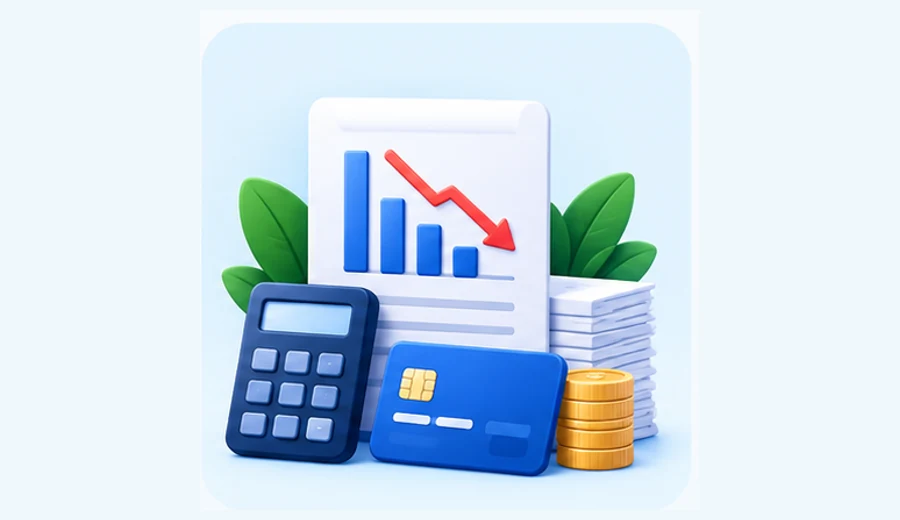
Use this Debt Payment Checklist to organise the key tasks and next steps. Organize debt balances, interest information, due dates and payment plans so repayments are easier to manage
Work through this step at your own pace.
Use the checklist as a working plan, not just a list of boxes. Start with the situation you are actually dealing with, then use the steps to decide what needs attention.
Use this when you want a clear plan for managing debt rather than keeping balances in your head. It helps organize the information needed to choose a repayment approach and track progress.
List each debt, current balance, interest rate, minimum payment and due date from your actual statements. Accurate numbers make the next decision much easier.
Missing a due date or ignoring a changing balance can undermine an otherwise good plan. Avoid adding new commitments to a repayment plan without checking how they affect the numbers.
Keep the plan simple enough to maintain each month. Record payments and balances consistently so progress is visible and the next decision is based on current information.
Organize debt balances, interest information, due dates and payment plans so repayments are easier to manage.
Before deciding how to tackle debt, get the numbers in one place. List the balances, rates, minimums and due dates, make sure the information is current, and then choose a repayment approach you can realistically maintain.
Common repayment approaches include focusing on the highest interest rate or the smallest balance; compare the methods and choose based on your circumstances.
Automatic payments can reduce missed due dates when the account balance and lender rules make them appropriate.
Contact the lender promptly and ask about available options rather than waiting until after a missed payment.